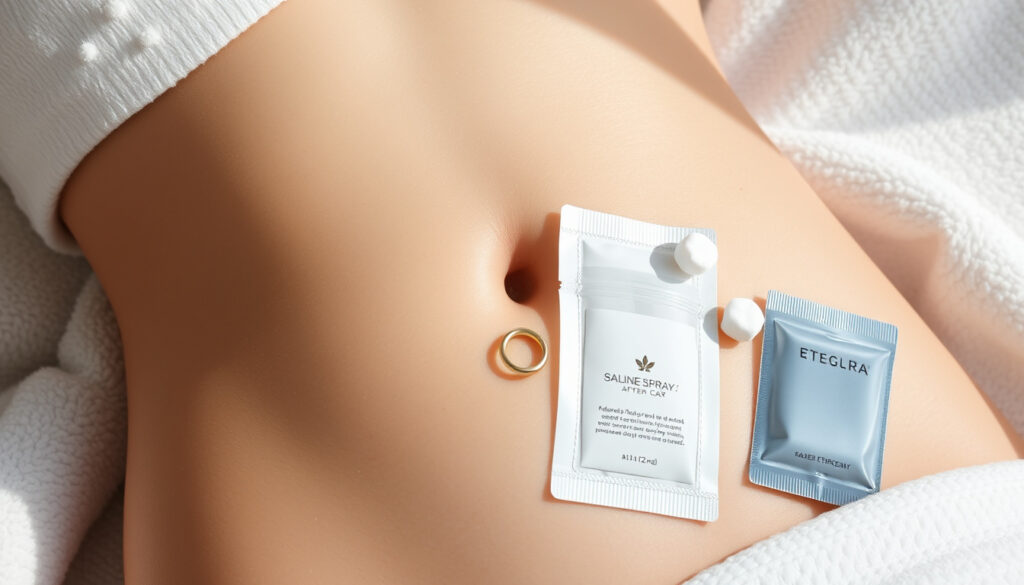
Belly Piercing 2025 – Jewelry, Healing & Aftercare Guide
Belly piercing, also known as navel piercing, has been a popular form of body modification since the 1990s. Choosing the right jewelry, understanding the healing process, and knowing how to care for the piercing are essential for a safe experience. This guide covers the best jewelry materials, healing stages, anatomy considerations, rejection signs, and where to buy quality pieces in 2025.
Whether you are considering a belly button piercing for the first time or looking to upgrade your jewelry, the decisions you make early on can affect healing and long-term satisfaction. From curved barbells to gold options, the market offers many choices. The key is to base your decisions on verified information from medical and professional piercing sources.
What Is the Best Belly Piercing Jewelry for You? (Gold, Silver, Dangly & Belly Bars)
Types of Belly Piercing Jewelry
Gold, silver, dangly, belly bars, and materials like surgical steel and titanium.
Healing Timeline
Initial healing 2-6 months, full healing up to 12 months. Stages: inflammation, granulation, maturation.
Outies & Piercing
Yes, outies can be pierced but require special technique and jewelry.
Where to Buy
Trusted UK online stores like PiercingMania, CherryDiva, Lovisa, and Amazon. Look for hypoallergenic options.
- Most belly piercing jewelry is made of surgical steel or titanium; gold and silver are popular for fashion but may cause irritation in fresh piercings.
- Healing times vary by individual; rejection occurs most often in surface piercings or with heavy jewelry.
- Outie belly buttons can be pierced, but the anatomy requires a skilled piercer and specific jewelry (curved barbells).
- Aftercare is critical: clean with saline solution twice daily, avoid tight clothing, and do not change jewelry too early.
- Avoid heavy or dangling jewelry until the piercing is fully healed to reduce complications.
- Choose materials like titanium, 316L surgical steel, niobium, or 14k gold for initial piercings.
- Pain is typically brief; most people report a 3-5 out of 10 on the pain scale during the procedure.
| Attribute | Value |
|---|---|
| Healing time (initial) | 2-6 months |
| Healing time (full) | 6-12 months |
| Pain level | 3-5/10 (brief pinch) |
| Average cost | £20-£60 (jewelry extra) |
| Most common material | Surgical steel (316L) |
| Rejection rate | ~5-10% (higher for surface piercings) |
Belly button piercing jewelry is usually a curved barbell for initial placement. Alternatives include banana bells, top-drop and reverse styles, captive bead rings, spirals, and dangle designs once healed. The most common initial jewelry is a curved barbell, often described as banana-shaped with balls on both ends. Variations like the J-bar have a more acute bend, while floating or flat-bottom styles work better for certain anatomies.
Materials matter significantly for fresh piercings. Titanium is repeatedly recommended because it is hypoallergenic. 316L surgical steel is widely used but may not suit everyone with metal sensitivity. Gold, especially 14k solid gold, is a safe option, though plated pieces can cause reactions. Silver is not emphasized as a preferred initial material; instead, the safest set includes medical-grade stainless steel, titanium, 14-karat gold, and niobium, according to multiple jewelry guides.
How Long Does a Belly Piercing Take to Heal? (Stage-by-Stage Guide)
Healing a navel piercing is a gradual process that typically takes 6 to 12 months. The external appearance can be misleading; the piercing may look healed long before the internal tissue is ready for jewelry changes. According to WebMD, aftercare focuses on keeping the area clean, avoiding friction, and not switching to heavy or decorative jewelry too soon.
Early Healing Phase
Swelling, tenderness, and irritation are common in the first few weeks. The initial jewelry should be a low-profile curved barbell or titanium piece to minimise movement and pressure.
Mid-Healing Phase
The piercing may appear calm on the outside, but internal healing is still underway. Snagging, friction from clothing, or premature jewelry changes can cause setbacks. Sources from Wikipedia note that movement and swelling-related stress are major risk factors for complications.
Fully Healed Phase
After 6 to 12 months, the piercing is considered fully healed. At this stage, decorative styles such as dangles, spirals, and clickers are better tolerated. It is wise to confirm with a professional piercer before making the switch.
Clean the piercing twice daily with saline solution. Avoid alcohol-based products. Do not twist or rotate the jewelry. Keep clothing loose around the area to reduce irritation.
During the entire healing period, it is essential to minimise movement and snagging. Clothing friction is a common problem for navel piercings. Changing the jewelry too early is one of the most frequent mistakes, as noted by stretchitbodyjewellery.
Can You Get a Belly Piercing with an Outie Belly Button?
Yes, it is possible to pierce an outie belly button, but it carries additional considerations. The procedure, sometimes called a “true navel piercing,” is performed on a protruding navel. According to Wikipedia, it is rare and should only be done by a skilled professional because of the anatomy and tension involved.
Anatomy and Jewelry Fit
Protruding navels change how jewelry fits and how much tension the piercing experiences. Curved barbells are typically used, but floating or flat-bottom styles may be better for certain shapes. Solana Tattoo explains that not all outie anatomies are suitable; a consultation with a professional piercer is essential.
Risks for Outie Piercings
Because the tissue is more prominent, outie piercings may be more prone to snagging and irritation. The risk of rejection can also be higher if the jewelry does not sit properly. Proper placement and material choice (implant-grade titanium or surgical steel) can reduce complications.
A professional piercer will assess the depth and angle of your navel before piercing. Outies may require a different angle or a specific type of curved barbell to heal safely.
How to Spot and Prevent Belly Piercing Rejection
Rejection occurs when the body pushes the jewelry toward the surface. Tension, movement, and swelling-related stress are major contributing factors. While there is no single standardized checklist for rejection, general piercing practice identifies several warning signs.
Warning Signs
- Jewelry visibly migrating toward the skin surface
- Holes appearing larger or elongated
- Thinning skin over the bar
- Persistent redness or irritation
- Recurring crusting or tenderness
These signs are general guidance rather than source-specific findings. If you notice any, consult a professional piercer or a dermatologist.
Reducing Rejection Risk
Choose the correct initial jewelry – a well-fitted curved barbell made of titanium or surgical steel. Avoid heavy ornaments until full healing. Keep the area clean and avoid excessive movement. The American Academy of Dermatology recommends avoiding tight clothing that rubs against the piercing.
Once rejection starts, it rarely stops on its own. Do not try to “save” a rejecting piercing by changing jewelry yourself. See a professional for assessment.
What Are the Healing Stages of a Belly Piercing? (Timeline)
- Day 1-2: Initial piercing – Swelling and tenderness are normal. Follow aftercare immediately.
- Week 1-2: Inflammatory stage – Redness may persist. Clean gently, avoid irritation. Do not touch or twist.
- Week 3-8: Proliferative stage – New tissue forms. Lymph discharge is normal. Do not change jewelry.
- Month 2-6: Maturation stage – Swelling subsides. The piercing looks healed but remains fragile internally.
- Month 6-12: Full healing – The piercing is considered healed. You can change jewelry safely if no issues arise.
The timeline is based on general piercing knowledge supported by sources like WebMD and Wikipedia. Individual healing varies depending on age, health, and adherence to aftercare.
What Is Certain and Uncertain About Belly Piercing Jewelry and Healing?
| Established Information | Information That Remains Unclear |
|---|---|
| Belly piercings take 6-12 months to fully heal internally. | Exact healing time varies per individual (age, health, aftercare adherence). |
| Gold and silver jewelry can cause allergic reactions in fresh piercings; surgical steel or titanium is safer. | Rejection risk depends on piercing placement, jewelry weight, and body chemistry. |
| Outie belly buttons can be pierced, but not all anatomies are suitable; consult a professional piercer. | Pain perception is subjective; some describe it as a sharp pinch, others as mild. |
Where to Buy Belly Piercing Jewelry Online (UK & Amazon)
Several UK-based online stores specialise in belly piercing jewelry. PiercingMania, CherryDiva, and Lovisa offer product grids with filters for material and style. Amazon also carries a wide range, often with user reviews. For new piercings, prioritise shops that clearly label materials as titanium, 316L surgical steel, niobium, or 14k gold. The average cost for a professional piercing in the UK is £20 to £60, with jewelry priced separately. Basic surgical steel pieces tend to be more affordable than titanium or gold options.
For sensitive skin, implant-grade titanium is the safest bet. Oreateai notes that hypoallergenic materials like niobium and bioplast are also available for those with metal allergies. Always check that the jewelry is meant for body piercing and not costume use.
What Are the Most Reliable Sources for Belly Piercing Information?
“Navel piercing has been popular since the 1990s, originally associated with alternative culture, now mainstream.”
Wikipedia – Navel piercing
“Aftercare includes cleaning the piercing twice a day with saline solution and avoiding swimming or soaking in baths during healing.”
“Do not remove the jewelry from a new piercing unless a doctor says to do so, as this can cause the hole to close and trap an infection.”
American Academy of Dermatology – Piercing care
Additional peer-reviewed data on complications can be found in the Journal of Clinical and Aesthetic Dermatology. The Association of Professional Piercers also provides evidence-based aftercare guidelines at safepiercing.org.
What Is the Bottom Line for Belly Piercing Care?
A successful belly piercing depends on choosing the right jewelry material (titanium or surgical steel for initial placement), following a consistent aftercare routine for 6 to 12 months, and being patient before switching to decorative styles. If you have an outie belly button, consult an experienced piercer. Monitor for signs of rejection and never ignore persistent redness or discharge. For those ready to explore more body art, the Edgy Messy Short Pixie Cut – Guide for Fine Hair and Over 50 offers style inspiration for a fresh look.
Frequently Asked Questions About Belly Piercing
Does a belly piercing hurt?
Most people describe it as a quick pinch. Pain level is usually 3-5 out of 10 and lasts only seconds.
How much does a belly piercing cost?
In the UK, professional piercing fees range from £20 to £60, plus the cost of jewelry.
When can I change my belly piercing jewelry?
Wait at least 2-3 months (or until fully healed). Changing too early can cause irritation or infection.
Can I sleep on my stomach after a belly piercing?
It’s best to avoid sleeping on your stomach for the first few weeks to reduce pressure and irritation.
What should I do if my belly piercing gets infected?
Signs include redness, swelling, pain, and discharge. Continue saline cleaning, avoid touching, and see a doctor if symptoms worsen.
What is the best material for a new belly piercing?
Titanium is most recommended for its hypoallergenic properties. 316L surgical steel, 14k gold, and niobium are also safe options.
Can I wear a dangly belly ring before healing?
No. Dangle styles add weight and movement, increasing the risk of irritation, migration, and rejection.
How long should I wait before swimming with a new belly piercing?
Avoid swimming, hot tubs, and baths for at least 4-6 weeks to reduce infection risk.
Is silver safe for a belly piercing?
Silver is not generally recommended for fresh piercings because it can tarnish and cause reactions. Stick to titanium, surgical steel, or gold.
Where can I find belly piercing jewelry in the UK?
Online stores like PiercingMania, CherryDiva, Lovisa, and Amazon offer a wide selection. Look for clearly labelled materials and read reviews.
More related posts
 Barclay Share Price UK – Price, Dividend & Foreca t
 Julie Benz Movies and TV Shows – Complete Filmography Guide
 Kolkata Knight Riders vs Rajasthan Royals Timeline – Record
 Celebrity SAS Who Dares Wins – Seasons, Winners, Instructors
 Argos Chest of Drawers – Best Picks Prices Reviews
 Olivia Attwood Net Worth – 2025/2026 Estimates and Rankings
 Met Office 15 Hour Warning – Areas Affected, Risks and Advice