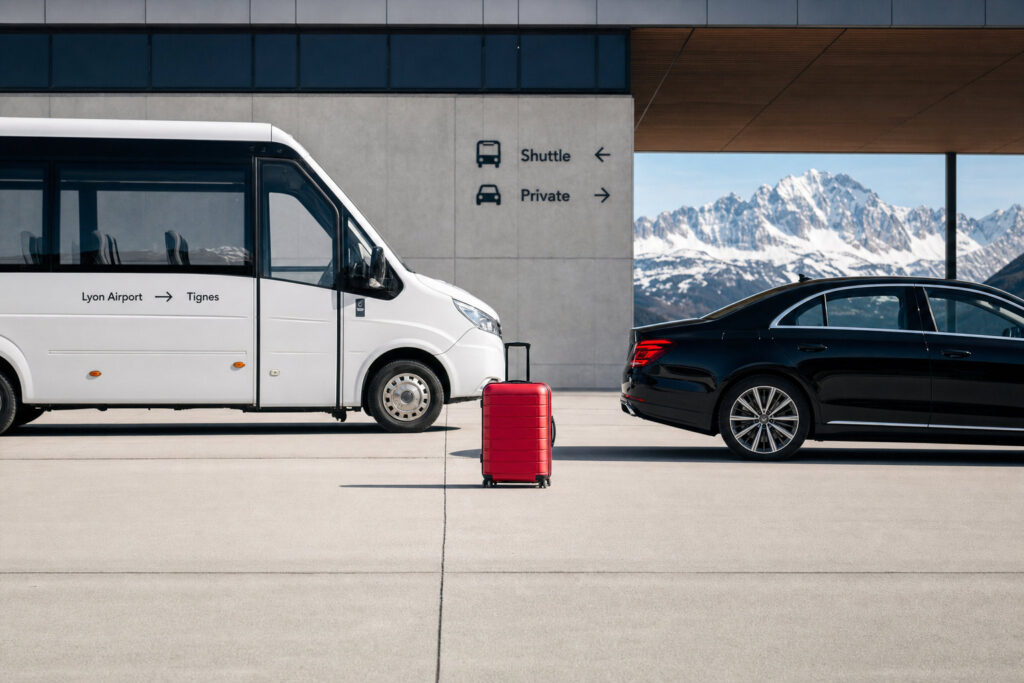
Shared versus private transport for leisure trips
Choosing how to travel between airports, resorts, and destinations can shape your holiday from the moment you land. With differing luggage needs and group sizes, the difference between shared and private transport often defines cost, convenience, and comfort. Understanding these options allows you to take control of your travel arrangements.
Transport decisions after a long flight can set the tone for your leisure trip, especially when balancing comfort, reliability, and personal preferences with the realities of luggage and fellow passengers. Lyon to Tignes is a common journey where both shared and private options are available, highlighting just how much your choice can affect the start and end of your holiday. Considering these factors before travelling helps to avoid surprises, simplifies budget planning, and lets you select the most suitable transport for your specific needs. Paying attention to the type of service is increasingly important as various offerings are designed to accommodate a range of traveller profiles.
Key definitions of shared and private services
Shared transport in the leisure sector typically refers to scheduled shuttles or minibuses. These operate on set routes, making stops at several locations to collect or drop off passengers who may not be travelling together.
Private transport usually involves pre-booked cars, taxis, or ride-hail vehicles operating on your schedule and reserved exclusively for you or your group. This provides direct routes tailored to your itinerary, without the multiple stops inherent to shared services.
The difference frequently centres on exclusivity, journey flexibility, and number of passengers. Private options guarantee personal space and a fixed pick-up window, while shared options are structured for efficient group transfers but require compromise on timing and route directness.
Assessing real costs and value comparisons
When comparing travel options, initial pricing is an important factor but rarely provides the full picture. Shared services may initially appear less expensive but can carry hidden extras, such as fees for oversized luggage or longer waits for group assembly.
Private transport generally offers clearer pricing, though costs can increase with waiting time charges, additional stops, or last-minute changes. Understanding not only the advertised fare but all possible add-ons helps you evaluate value for your journey.
It is vital to compare like-for-like, taking into account the distance, party size, luggage requirements, and convenience provided by each service. Travellers who prioritise predictable expenses often opt for private hire, valuing its transparency, while those content to sacrifice some flexibility may choose shared transport for potential savings.
Time, reliability, and journey planning considerations
Average journey times can differ substantially, often depending on the number of scheduled stops and potential detours associated with shared transport. Shared shuttles are more likely to encounter delays due to multiple pick-ups and drop-offs along the route.
Private services reduce waiting times and detours, but may still encounter delays due to airport arrivals, traffic, or weather conditions. The question of How To Get to Tignes often demonstrates these differences, as shared transfers can mean longer time in transit for only minor savings.
Reliability may depend on both the reputation of service providers and the flexibility of the booking process. While shared options require more patience and precise timing, private choices deliver directness and frequently suit travellers with tight connections or those who wish to minimise waiting.
Comfort, accessibility, and environmental considerations
Comfort levels can vary significantly depending on the chosen transport. Shared vehicles may provide less space for luggage or sports equipment and can be crowded during peak times, which may affect both personal comfort and accessibility.
Private options make it easier to ensure space for additional gear, specific seating requirements, and child or baby seats. They are often better equipped to accommodate travellers with limited mobility, increasing assurance over access and handling individual requests.
From an environmental standpoint, shared transport generally results in lower per-passenger emissions. Higher occupancy rates lead to fewer vehicles on the road, reducing individual impact, especially when compared to private transfers taken by solo travellers or small groups.
Matching transport choices to traveller profiles
Families and groups, especially those travelling with children or lots of luggage, often find that private transport provides the convenience and flexibility needed. Predictable travel times, guaranteed vehicle space, and direct routes address their practical requirements.
Solo travellers or those on a tight budget may prefer shared options if they accept longer journey times. However, those who value predictability, direct journeys, or require special accessibility arrangements will benefit more from private services.
Your selection between shared and private transport should reflect a balance of cost, comfort, time, and environmental considerations. By understanding the distinctions in advance, you can adapt your travels to your own priorities and circumstances.
More related posts
 Confessions of a Shopaholic – Complete Guide to Book and Film
 Liverpool vs Nottm Forest – Preview, Predictions and Lineups
 Houses for Sale in Nottingham – Prices, Areas & Buying Guide 2025
 Regent’s Park Open Air Theatre – 2025 Season Tickets Guide
 Golf Balls for Sale – Best UK New and Used Deals
 Met Office 15 Hour Warning – Areas Affected, Risks and Advice
 Can Dogs Eat Eggs – Safety, Benefits & Feeding Guide